

Every child deserves a home where they feel safe, comfortable, supported, and loved. For children with disabilities or complex medical needs, creating that environment may require additional planning and thoughtful adjustments to meet their unique needs.
A safe home is more than simply removing hazards. It is a space designed to support a child’s mobility, independence, comfort, medical needs, development, and overall well-being while giving parents and caregivers greater peace of mind.
At Integrity First Homecare, we understand that every child and family is different. Our goal is to support families by providing compassionate homecare services that help children receive the care they need in the comfort of their own home.
1. Keep Pathways Clear and Accessible
Children who use wheelchairs, walkers, adaptive equipment, or other mobility devices need enough space to move safely throughout the home.
Consider:
- Keeping hallways and frequently used pathways free of clutter.
- Securing loose rugs and cords.
- Making sure frequently used items are easy to reach.
- Creating enough space for wheelchairs, walkers, and other equipment.
- Keeping floors clean, dry, and free from tripping hazards.
- Using appropriate ramps or accessibility modifications when needed.
Small changes can make everyday movement easier and safer.

2. Create a Safe and Organized Care Area
Children who require medical equipment or specialized care may benefit from having a designated area for their daily supplies.
Keep medications, medical supplies, feeding equipment, respiratory equipment, and other necessary items organized and stored appropriately.
A designated care area can help caregivers quickly locate supplies and maintain a consistent routine.
Important: Medications and potentially dangerous medical supplies should always be stored safely and according to the child’s healthcare provider’s instructions.
3. Make the Bedroom Comfortable and Accessible
A child’s bedroom should be a place where they can rest comfortably and safely.
Depending on the child’s needs, families may consider:
- An appropriately supportive bed or specialized equipment.
- Adequate lighting for nighttime care.
- Easy access to necessary supplies.
- A clear pathway around the bed.
- Temperature and ventilation appropriate for the child’s needs.
- A comfortable environment that supports sleep and relaxation.
For children with sensory sensitivities, consider reducing excessive noise, bright lighting, or other environmental triggers.
4. Consider Bathroom Safety
Bathrooms can present additional risks for children with mobility or balance challenges.
Depending on the child’s abilities and care plan, families may consider accessibility features such as grab bars, non-slip surfaces, shower chairs, handheld showerheads, and appropriate transfer equipment.
Never leave a child unattended in or near water when their condition or developmental abilities create a safety risk.
5. Secure Potential Hazards
Children with developmental or cognitive disabilities may not recognize common household dangers.
Families should consider securing:
- Cleaning products and chemicals
- Medications
- Sharp objects
- Small objects that could present a choking hazard
- Electrical outlets and cords
- Hot appliances and surfaces
- Stairways and balconies
- Doors and windows when appropriate
Safety measures should be individualized based on the child’s age, developmental level, mobility, and specific needs.
6. Keep Emergency Information Easily Accessible
Families caring for children with complex medical needs should have important information readily available in case of an emergency.
Consider maintaining an easily accessible list containing:
- Emergency contacts
- Healthcare provider information
- Current medications
- Allergies
- Diagnoses and important medical information
- Medical equipment information
- Emergency care instructions
- Insurance information
Caregivers should also know where emergency supplies and important medical equipment are located.
7. Encourage Independence When Possible
Safety and independence can work together.
Depending on the child’s abilities, allow them to participate in age-appropriate activities and daily routines. Adaptive equipment and thoughtful organization can help children participate in dressing, eating, play, communication, and other activities.
The goal is not to remove every challenge from a child’s environment, but to create an environment where they can participate as safely and independently as possible.

8. Create a Calm and Supportive Environment
A comfortable home should support the child’s emotional and sensory needs as well as their physical safety.
Create spaces where the child can:
- Relax
- Play
- Read
- Listen to music
- Participate in therapy or developmental activities
- Spend quiet time
For children with sensory sensitivities, reducing unnecessary noise, clutter, and visual stimulation may help create a more comfortable environment.
9. Make Safety a Team Effort
Parents, family members, nurses, caregivers, therapists, and other members of a child’s care team can work together to identify potential safety concerns and determine what changes may be helpful.
As a child’s needs change, the home environment may need to change as well.
Regularly reassessing the child’s mobility, equipment, routines, and care needs can help families identify new safety concerns before they become problems.
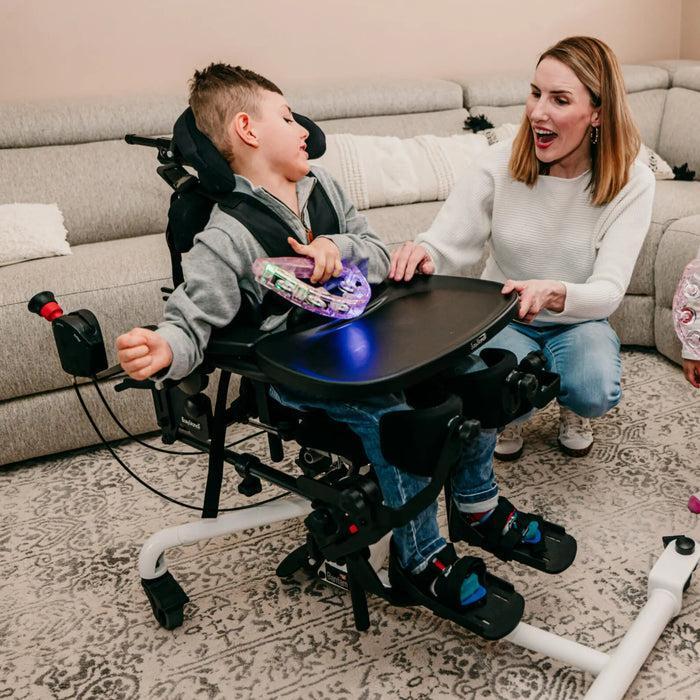
Supporting Your Child at Home
Creating a safe and comfortable home does not mean creating a perfect home. It means creating an environment that is responsive to your child’s individual needs and allows them to receive care, participate in daily life, and feel secure in their own space.
At Integrity First Homecare, we are committed to providing compassionate homecare support for children and adults. Our team works with families to help provide quality care while allowing clients to remain in the comfort and familiarity of home.

Need Homecare Support?
If your child could benefit from compassionate, dependable homecare services, Integrity First Homecare is here to help.
Contact us today to learn more about our services, discuss your family’s needs, and learn how we may be able to support your child at home.
Visit our website: Integrity First Homecare
Connect with us on Facebook:Integrity First Homecare on Facebook
Your family deserves care you can trust. Let Integrity First Homecare be part of your care team.